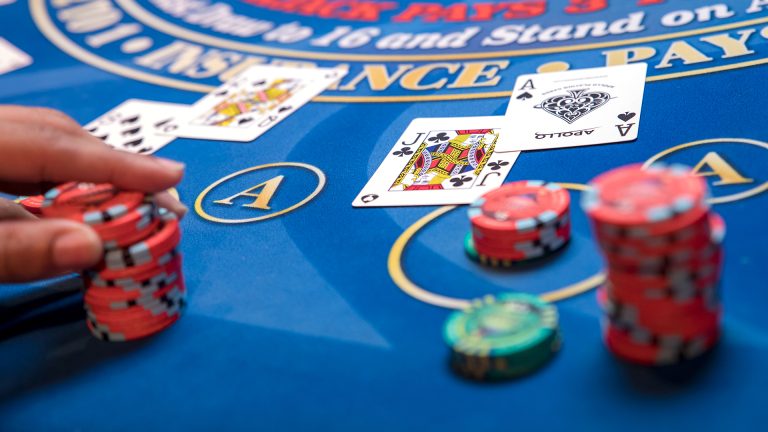
The historical evolution of gambling practices throughout the ages
Origins of Gambling in Ancient Civilizations
The roots of gambling can be traced back to ancient civilizations, where early forms of gaming were often intertwined with religious and social practices. Archaeological evidence from Mesopotamia, dating back to 3000 BC, shows the existence of dice made from animal bones, indicating that games of chance were already prevalent. These games were not merely entertainment; they often held spiritual significance, as people believed they could influence the favor of the gods in their lives. For those interested in exploring more about modern offerings, Legionbet Casino showcases a variety of gaming experiences available to players today.

In ancient China, around 2300 BC, gambling activities included a game called “Keno,” which resembles modern lottery games. The Chinese emperor used this system for raising funds for military expeditions. Similarly, in ancient Rome, gambling was a popular pastime among both the elite and commoners. The Romans would bet on gladiatorial games and chariot races, often using dice made from various materials. This historical context illustrates how gambling has long been a means of social interaction and economic exchange.
As these civilizations evolved, so did their gambling practices, reflecting the values and customs of their respective societies. In many cases, gambling served as a way to build social connections, with communal games fostering camaraderie. Over time, various cultures incorporated gambling into their festivals and celebrations, ensuring its place as a significant aspect of communal life, thus laying the groundwork for its future developments.
The Development of Gambling in the Middle Ages
The Middle Ages marked a significant evolution in gambling practices, particularly in Europe. During this period, the establishment of gaming houses became increasingly common. Initially, these establishments were informal gatherings, often held in taverns. However, as public interest grew, they evolved into more structured venues. The introduction of card games, which became popular in the 14th century, transformed gambling into a more strategic endeavor, appealing to a different demographic than earlier games of chance.
With the rise of the bourgeoisie in medieval society, gambling began to take on a more organized form. The first gambling laws were established, and authorities sought to regulate activities that had previously been largely unmonitored. This shift not only aimed at curbing cheating and fraud but also provided a framework for taxation on gambling winnings. Such regulations laid the groundwork for the legal gambling systems we see in modern times.
Additionally, during the Renaissance, gambling became a fashionable pastime among the upper class, leading to the proliferation of games like poker and blackjack. These games introduced elements of skill and strategy, which further appealed to players seeking an intellectual challenge. This transformation in gambling practices during the Middle Ages reflects societal changes and the increasing complexity of human entertainment.
The Rise of Modern Gambling in the 19th Century
The 19th century marked a turning point in the history of gambling, characterized by the establishment of formal casinos. The first known casino, the Casino di Venezia, opened its doors in Italy in 1638, but it was in the 19th century that the concept gained worldwide popularity. The legalization of gambling in various European countries, particularly in France and Germany, fueled the establishment of glamorous gambling houses that catered to the wealthy elite, creating a new cultural phenomenon.
During this era, innovations such as the roulette wheel and the slot machine were introduced, making gambling more accessible to the masses. The emergence of these games contributed to the popularity of casinos, as players were drawn to the excitement and potential for winning large sums of money. The introduction of regulatory frameworks in places like Monte Carlo helped shape the modern casino industry, promoting fair play and fostering consumer trust.
Moreover, the 19th century saw the birth of betting on horse racing, which became a national pastime in many countries, especially in the United Kingdom. This form of gambling not only attracted casual bettors but also professional gamblers, leading to the establishment of betting shops and racetracks. As gambling continued to evolve, it adapted to societal trends, further embedding itself into cultural and social fabric.
Gambling in the 20th Century: Legalization and Technological Advances
The 20th century witnessed a dramatic transformation in gambling practices, driven by both legislative changes and advancements in technology. The early part of the century saw a push for the legalization of gambling in various regions, as governments recognized its potential for revenue generation. The establishment of state lotteries and the repeal of Prohibition in the United States, which allowed casinos to flourish, were pivotal moments in this evolution.
Technology played a significant role in revolutionizing the gambling landscape. The invention of the digital slot machine in the 1960s and the subsequent rise of video poker provided new avenues for players seeking quick entertainment. The late 20th century also marked the introduction of online gambling, beginning with online poker rooms and casinos. This shift allowed gamblers to engage in their favorite games from the comfort of their homes, significantly broadening the audience and reshaping gambling practices.
As the internet continued to expand, so did the accessibility of gambling. Online platforms began offering a diverse range of games, promotions, and betting options. This digital shift not only changed how players interacted with gambling but also introduced new challenges in regulation and responsible gaming. The rise of online gambling indicated a need for updated legislation to ensure player safety and game integrity, setting the stage for the modern gambling landscape.

Contemporary Gambling Practices: The Role of Online Casinos
In today’s digital age, online casinos have revolutionized the gambling experience, providing players with an unparalleled level of convenience and variety. Websites dedicated to gambling offer a vast array of games, including slots, table games, and live dealer options. This accessibility enables players to engage in their favorite pastimes anytime and anywhere, significantly impacting traditional brick-and-mortar casinos.
Furthermore, online gambling platforms are designed to cater to a diverse audience, often providing educational resources for beginners. Many websites offer guides on account registration, payment methods, and promotional bonuses, ensuring that new players can navigate the digital landscape with confidence. This emphasis on user experience is crucial, as it helps foster a welcoming environment for individuals who may be new to the gambling world.
The growth of mobile gambling applications has further contributed to the popularity of online casinos. With smartphones and tablets becoming ubiquitous, players can now participate in gambling activities while on the go. This trend reflects a broader societal shift towards mobile technology and instantaneous access to entertainment, emphasizing the need for casinos to adapt continuously to meet player expectations.